A key safe box is basically a sturdy container where you can stash keys, cards, or small, important stuff. It lets people you trust get to them even when you're not around.
Where you might see them:
Real estate: Agents can get into houses easily.
Vacation rentals: Guests can get in without you having to meet them.
Emergencies: Family, helpers, or repair people can gain access.
Home security: A safe spot for spare keys.
2. Types of Key Safes
Key safes come in different styles, depending on how you get in and how secure they are:
Combination Lock Safes
You open them with a number code.
The code can stay the same or be changed.
Good points: No keys to lose, and it's easy to change the code.
Bad points: If someone knows or guesses the code, you're in trouble.
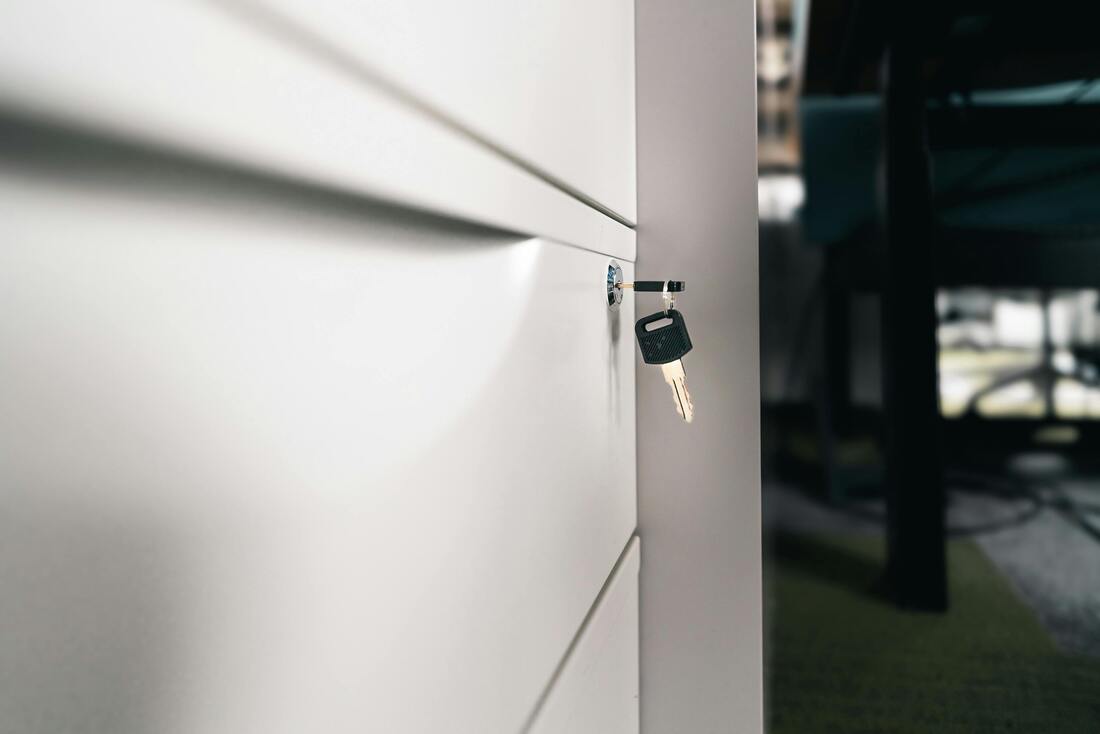
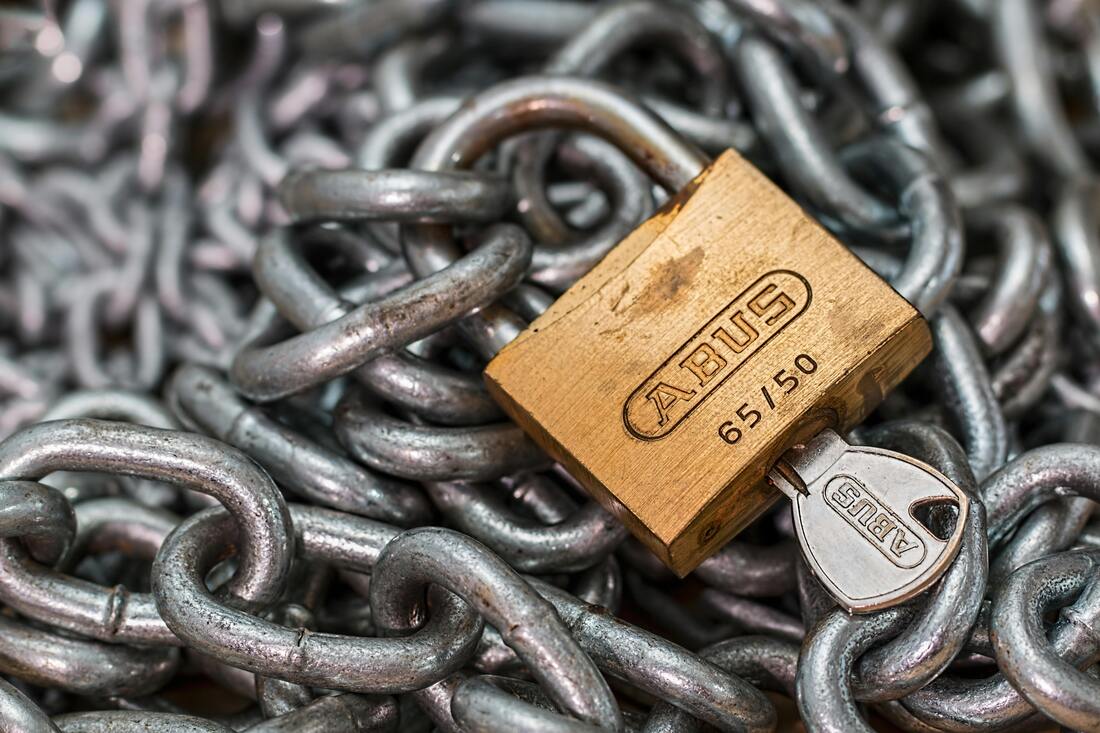
Key Lock (Mechanical) Boxes
You use a regular key to open these.
Good points: Simple and no batteries needed.
Bad points: If you lose the key, you're locked out.
Digital/Electronic Key Safes
These use a keypad or even your fingerprint to open.
You can give temporary codes to visitors.
Good points: Lots of options, you can track who gets in, and you can set up temporary codes.
Bad points: They need batteries, and they cost more.
Wall-Mounted vs. Portable
Wall-Mounted: Stuck to a wall or door, so they're usually safer.
Portable: You can carry them around, which is handy, but they aren't as safe.
3. What They're Made Of and How Secure They Are
Materials: Steel is the usual choice. Some have extra-strong doors and hinges that are hard to mess with.
Security stuff to look for:
Plates that stop people from drilling into them.
Alarms that go off if someone messes with them (on electronic ones).
Coatings that protect them from the weather (if they're outside).
Ratings: Some safes have ratings for things like fire resistance or how secure they are. Look for:
Protection from the weather (IP ratings).
A design that's hard to tamper with.
Solid steel build.
4. Size
Small safes: Hold one or two keys.
Medium safes: Hold several keys or a couple of cards.
Large safes: Can hold a bunch of keys or small valuables like USB drives or papers.
5. Installation
Where to put it: Somewhere not too obvious but easy to get to for those who need it. Don't put it where thieves can easily spot it.
How to attach it: Most safes are screwed into something solid (wall, door frame) to keep them secure.
Height: Put it at about chest or eye level so it's easy to reach.
6. Managing Access
Changing codes: Change the code regularly to stay safe.
Temporary access: Give temporary codes to guests or workers.
Sharing: Don't give the main code to just anyone.
Backup: Keep a spare key hidden somewhere safe if you have an electronic or combination lock, just in case you forget the code.
7. Upkeep
Check for rust or damage from the weather (especially on outdoor safes).
Change the batteries in electronic safes regularly.
Put some lubricant on the moving parts of mechanical locks every so often.
8. How to Stay Safe
Don't use obvious codes like birthdays or 1234.
Put the safe where it's not easily seen.
If you need really high security, add a camera.
Don't put a lot of cash or super-secret stuff in there.
9. The Good and the Bad
Good stuff:
Easy access for multiple people.
Safer than leaving keys under a mat or in a flowerpot.
You can control who gets in (especially with electronic ones).
Bad stuff:
Can be broken into if it's a cheap one or installed poorly.
People forget the codes.
Electronic safes need batteries.
Where you might see them:
Real estate: Agents can get into houses easily.
Vacation rentals: Guests can get in without you having to meet them.
Emergencies: Family, helpers, or repair people can gain access.
Home security: A safe spot for spare keys.
2. Types of Key Safes
Key safes come in different styles, depending on how you get in and how secure they are:
Combination Lock Safes
You open them with a number code.
The code can stay the same or be changed.
Good points: No keys to lose, and it's easy to change the code.
Bad points: If someone knows or guesses the code, you're in trouble.
Key Lock (Mechanical) Boxes
You use a regular key to open these.
Good points: Simple and no batteries needed.
Bad points: If you lose the key, you're locked out.
Digital/Electronic Key Safes
These use a keypad or even your fingerprint to open.
You can give temporary codes to visitors.
Good points: Lots of options, you can track who gets in, and you can set up temporary codes.
Bad points: They need batteries, and they cost more.
Wall-Mounted vs. Portable
Wall-Mounted: Stuck to a wall or door, so they're usually safer.
Portable: You can carry them around, which is handy, but they aren't as safe.
3. What They're Made Of and How Secure They Are
Materials: Steel is the usual choice. Some have extra-strong doors and hinges that are hard to mess with.
Security stuff to look for:
Plates that stop people from drilling into them.
Alarms that go off if someone messes with them (on electronic ones).
Coatings that protect them from the weather (if they're outside).
Ratings: Some safes have ratings for things like fire resistance or how secure they are. Look for:
Protection from the weather (IP ratings).
A design that's hard to tamper with.
Solid steel build.
4. Size
Small safes: Hold one or two keys.
Medium safes: Hold several keys or a couple of cards.
Large safes: Can hold a bunch of keys or small valuables like USB drives or papers.
5. Installation
Where to put it: Somewhere not too obvious but easy to get to for those who need it. Don't put it where thieves can easily spot it.
How to attach it: Most safes are screwed into something solid (wall, door frame) to keep them secure.
Height: Put it at about chest or eye level so it's easy to reach.
6. Managing Access
Changing codes: Change the code regularly to stay safe.
Temporary access: Give temporary codes to guests or workers.
Sharing: Don't give the main code to just anyone.
Backup: Keep a spare key hidden somewhere safe if you have an electronic or combination lock, just in case you forget the code.
7. Upkeep
Check for rust or damage from the weather (especially on outdoor safes).
Change the batteries in electronic safes regularly.
Put some lubricant on the moving parts of mechanical locks every so often.
8. How to Stay Safe
Don't use obvious codes like birthdays or 1234.
Put the safe where it's not easily seen.
If you need really high security, add a camera.
Don't put a lot of cash or super-secret stuff in there.
9. The Good and the Bad
Good stuff:
Easy access for multiple people.
Safer than leaving keys under a mat or in a flowerpot.
You can control who gets in (especially with electronic ones).
Bad stuff:
Can be broken into if it's a cheap one or installed poorly.
People forget the codes.
Electronic safes need batteries.